Secure Cloud CI/CD Practices Are Becoming a Hiring Priority
Over the past few years, cloud adoption has become the default rather than the exception. Alongside that shift, the way...

Over the past few years, cloud adoption has become the default rather than the exception. Alongside that shift, the way software is built and released has also changed. Continuous Integration and Continuous Deployment, better known as CI/CD, is now how most modern teams deliver software. What is changing in 2026 is the growing expectation that security is built directly into these pipelines, rather than added at the end.
This move towards secure cloud CI/CD practices is not just a technical trend. It is reshaping how organisations think about team structures, skills, and resourcing.
What Secure CI/CD Actually Means in Practice
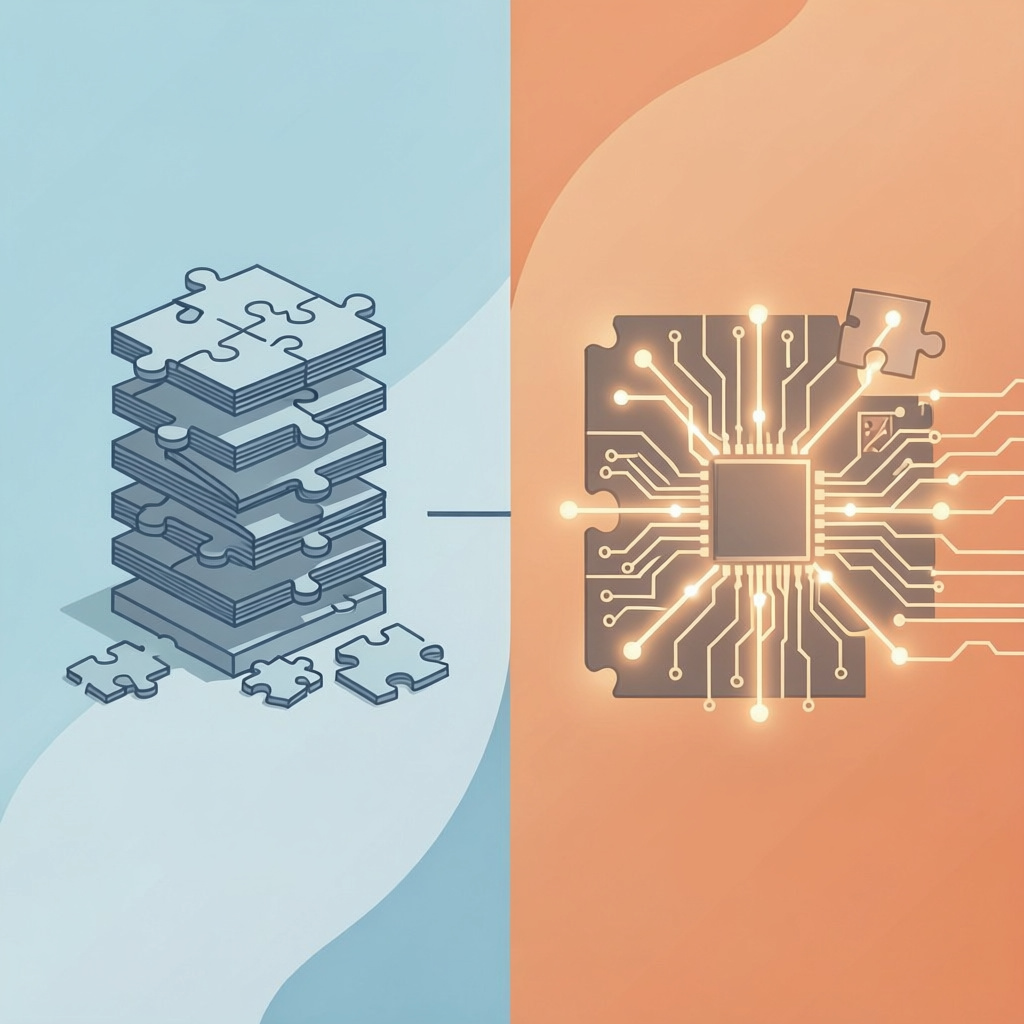
At a simple level, secure CI/CD means making sure security checks happen automatically as part of building, testing, and deploying software. Instead of waiting for a separate security review after code is written, vulnerabilities are caught earlier through automated scanning, policy checks, and controlled release processes.
In cloud environments, this often includes checking infrastructure-as-code templates, scanning container images, managing secrets safely, and enforcing access controls inside the pipeline itself. The goal is not perfection, but reducing risk before issues ever reach production.
For hiring managers, the key point is that this work sits somewhere between traditional development, cloud engineering, and security. That overlap is where many teams are currently under-resourced.
“In software development, a CI/CD pipeline refers to the automated steps involved in building, testing, and deploying code changes. Hardening this pipeline involves implementing security measures and best practices to ensure the reliability and security of the software delivery process.” – CloudSecurityWeb
Why This Matters for Hiring and Resourcing
Many organisations still plan teams as if security is owned by a single, separate function. In reality, secure CI/CD spreads responsibility across developers, platform teams, cloud engineers, and security specialists. When this isn’t reflected in resourcing plans, teams either slow down delivery or quietly accept higher risk.
Hiring teams are increasingly looking for people who understand both automation and security, even if they are not “security engineers” by title. Developers who can work with secure pipelines, cloud engineers who understand policy enforcement, and DevOps professionals who can balance speed with control are all becoming harder to find.
This also affects workload planning. Security checks take time to design, maintain, and respond to. If organisations do not account for this invisible effort, delivery timelines often become unrealistic, leading to pressure on teams and rushed releases.
“Involving both security and development stakeholders in the tool selection process increased adoption and reduced resistance.” – eajournals
The Shift Away from After-the-Fact Security
One of the reasons interest in secure CI/CD is rising is that traditional, end-of-cycle security reviews no longer scale. Cloud systems change too quickly, and manual reviews struggle to keep up with frequent releases.
From a resourcing perspective, this means fewer last-minute fire drills but more ongoing, embedded work. Teams need people who are comfortable improving pipelines incrementally, tuning security checks, and working closely with development teams rather than acting as gatekeepers.
Organisations that invest in these skills early tend to see smoother releases and fewer surprises later. Those that don’t often find themselves hiring reactively after an incident or audit failure.
“Integrating security into CI/CD pipelines creates a synergy between development and security teams, ensuring that risks are identified and addressed early. This integration also enables organizations to pivot quickly in response to emerging threats. By embedding security tools and practices early in the process, teams can catch issues before they reach production, minimizing the risks of exploitation in live environments.” – DataCalculus
What Hiring Teams Should Be Planning for in 2026
Secure cloud CI/CD practices are no longer a niche concern. They are becoming a baseline expectation for mature cloud environments. Hiring strategies need to reflect that by valuing practical experience with secure pipelines, not just theoretical knowledge of security or automation.
This does not always mean hiring more people. In many cases, it means hiring differently, prioritising adaptable, cross-functional skills and allowing time for teams to build security into their delivery processes properly.
As cloud environments continue to grow in complexity, secure CI/CD is emerging as one of the clearest signals of whether an organisation’s delivery model is sustainable. For recruiters and IT leaders alike, understanding this shift is essential to building teams that can move fast without breaking trust.