Technology Is Advancing, But Human Value Is Growing Too
Artificial intelligence continues to transform workplaces across almost every industry. Organisations now use AI to automate repetitive tasks, analyse data faster, generate content, support software development, and improve decision-making. As these tools become more capable, many professionals naturally wonder which skills will remain valuable in the future.
The answer may surprise some people. While technical knowledge remains important, the rise of AI is actually increasing the value of distinctly human capabilities. Employers are discovering that technology performs best when paired with strong communication, critical thinking, judgement, and leadership.
This shift is becoming increasingly visible. Organisations still seek technical expertise, but they are placing greater emphasis on the human qualities that AI cannot easily replicate. Research from the World Economic Forum highlights that analytical thinking, resilience, leadership, creativity, and social influence rank among the fastest-growing workforce requirements as AI adoption accelerates.
As a result, the most sought-after professionals are no longer those who simply complete tasks. Employers increasingly value people who can guide technology, interpret results, and help organisations navigate uncertainty.
Critical Thinking Matters More Than Ever
AI can generate answers in seconds, but it cannot always determine whether those answers are correct, appropriate, or relevant within a specific business context.
This reality has elevated the importance of critical thinking. Organisations need employees who can evaluate information, challenge assumptions, identify risks, and make informed decisions based on incomplete or conflicting data.
Hiring managers increasingly look for professionals who can ask the right questions rather than simply produce quick answers. The ability to assess AI-generated recommendations, identify flaws, and apply practical judgement has become a major differentiator in the workplace.
Research from the McKinsey & Company shows that organisations gain the greatest value from AI when employees actively apply human judgement alongside technological capabilities rather than relying on automation alone.
Professionals who combine critical thinking with technical understanding are becoming increasingly valuable across sectors.
Communication Has Become a Strategic Skill
As technology grows more complex, communication becomes more important rather than less.
AI systems can process enormous amounts of information, but organisations still depend on people to explain findings, align stakeholders, and translate technical concepts into business outcomes.
Effective communication helps teams avoid misunderstandings, manage change, and ensure projects deliver real value. Leaders need professionals who can bridge gaps between technical teams, executives, customers, and operational departments.
This requirement appears throughout hiring processes. Candidates who communicate clearly often outperform technically stronger applicants who struggle to explain their thinking or influence others.
Employers increasingly recognise that successful transformation depends as much on communication as it does on technology.
Creativity Remains Difficult to Automate
Artificial intelligence can generate content, ideas, and recommendations, but genuine creativity involves much more than production.
Creative thinking often emerges from experience, intuition, context, and the ability to connect seemingly unrelated concepts. Organisations depend on these capabilities when solving novel problems, designing products, developing strategies, and responding to unexpected challenges.
The rapid adoption of AI has increased demand for individuals who can think beyond established patterns and create new approaches where no obvious solution exists.
Many employers now view creativity as a business skill rather than purely an artistic one. Professionals who generate innovative solutions, identify new opportunities, and adapt to changing conditions contribute significant value regardless of their industry.
Emotional Intelligence Creates Competitive Advantage
Workplaces continue to become more automated, but human relationships remain central to business success.
Emotional intelligence helps professionals understand colleagues, manage conflict, build trust, and support collaboration. These capabilities influence leadership effectiveness, team performance, customer relationships, and organisational culture.
AI can analyse sentiment and identify patterns in communication, but it cannot genuinely understand human experiences or navigate complex interpersonal situations with the same depth as people.
Hiring managers increasingly seek candidates who demonstrate empathy, self-awareness, and interpersonal effectiveness. These qualities become particularly important during periods of organisational change, where uncertainty often affects morale and engagement.
Research by the CIPD consistently shows that strong workplace relationships contribute positively to performance, retention, and employee wellbeing.
Adaptability Is Becoming a Core Hiring Requirement
Technology changes faster today than at any point in modern business history. New tools, platforms, and processes emerge continuously, forcing organisations to evolve at an unprecedented pace.
In response, employers increasingly prioritise adaptability over static expertise.
Professionals who embrace learning, remain curious, and adjust quickly to changing circumstances often outperform individuals who rely solely on existing knowledge. This trend applies across industries, from technology and finance to healthcare and manufacturing.
The ability to learn new skills efficiently has become one of the most valuable capabilities in the modern workforce. Employers recognise that specific technologies may change, but adaptable people continue creating value regardless of which tools dominate the market.
The Organisation for Economic Co-operation and Development notes that lifelong learning and adaptability play an increasingly important role in workforce resilience as technological transformation accelerates.
Leadership Is Evolving Beyond Management
Leadership today involves much more than overseeing tasks and monitoring performance.
Modern organisations need leaders who can guide teams through complexity, manage uncertainty, and help employees work effectively alongside AI systems. These responsibilities require strong interpersonal skills, strategic thinking, and emotional intelligence.
AI can provide data and recommendations, but leaders must still make difficult decisions, balance competing priorities, and inspire confidence during challenging periods.
Consequently, hiring teams increasingly assess leadership potential across all levels of an organisation rather than focusing solely on senior management positions.
Professionals who demonstrate initiative, accountability, and influence often stand out in competitive hiring markets.
Ethical Judgement Is Becoming Increasingly Important
As AI becomes more integrated into business operations, ethical considerations continue to grow in importance.
Organisations must consider issues such as privacy, bias, transparency, accountability, and responsible technology use. These challenges require human judgement rather than purely technical solutions.
Employers therefore seek individuals who can evaluate consequences, understand stakeholder perspectives, and make decisions that align with organisational values.
The rise of AI has not reduced the need for ethics. Instead, it has made ethical decision-making more important than ever.
Professionals capable of balancing innovation with responsibility are becoming increasingly valuable in technology-driven environments.
The Future Belongs to Human-AI Collaboration
The most successful workplaces of the future will not be defined by humans competing against AI. Instead, they will be built around effective collaboration between people and technology.
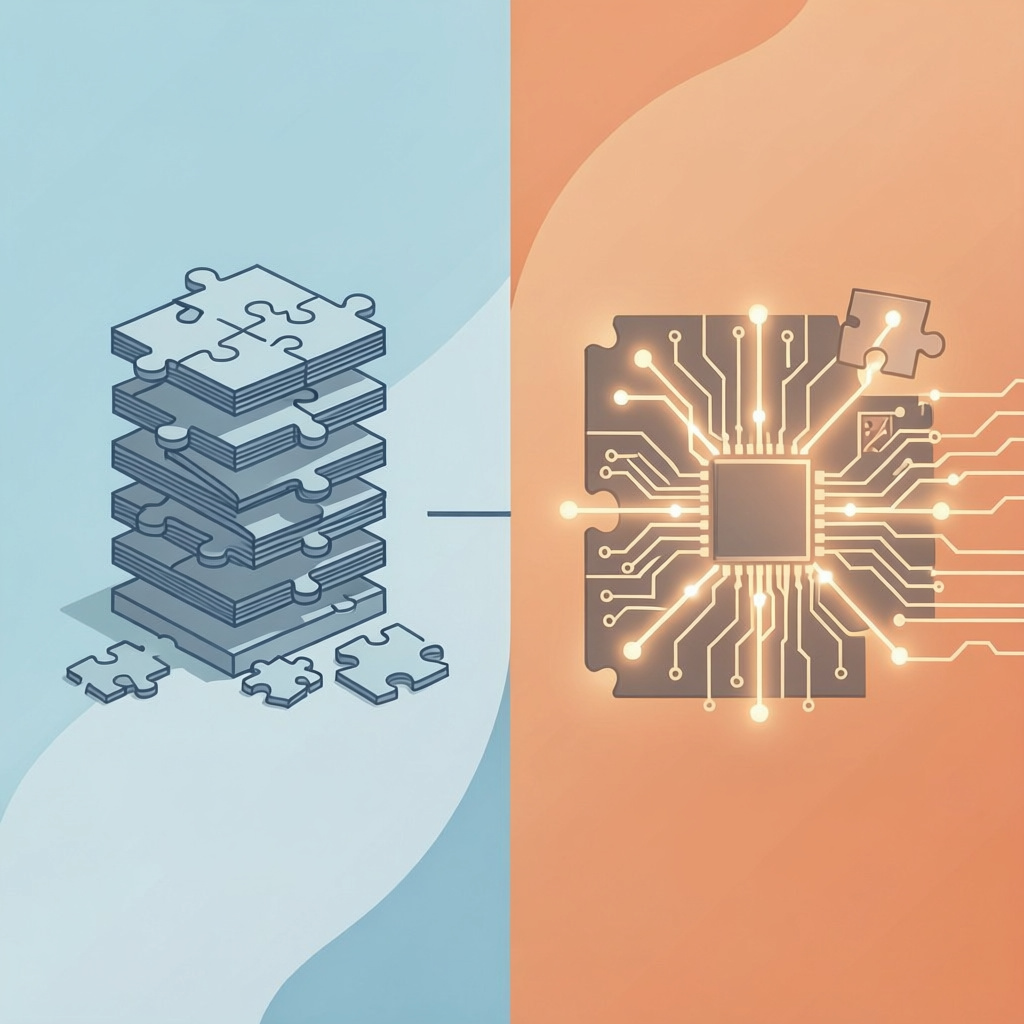
AI excels at speed, scale, automation, and data processing. Humans excel at judgement, creativity, empathy, communication, and leadership.
Employers increasingly recognise that sustainable success comes from combining both strengths. Hiring strategies now reflect this reality, with organisations placing greater emphasis on the human capabilities that amplify technological value.
Candidates who develop these skills position themselves strongly for long-term career growth, regardless of how technology continues to evolve.
Human Skills Are Becoming the Real Competitive Advantage
Artificial intelligence will continue reshaping industries, roles, and workflows throughout the coming years. However, the skills becoming most valuable are often the ones that remain uniquely human.
Critical thinking, communication, creativity, emotional intelligence, adaptability, leadership, and ethical judgement help organisations navigate complexity and create lasting value. These capabilities enable people to guide technology rather than compete against it.
For hiring managers, this means looking beyond technical qualifications alone. For candidates, it means recognising that professional success increasingly depends on combining technical literacy with strong human skills.
As AI becomes more powerful, the organisations that thrive will be those that invest not only in technology, but also in the people who know how to use it wisely.