Cybersecurity Essentials for Distributed Teams
The risks of cybersecurity have evolved beyond the confines of an office with hybrid work becoming standardised, leading to spikes in data breaches, compliance violations, and...

The risks of cybersecurity have evolved beyond the confines of an office with hybrid work becoming standardised, leading to spikes in data breaches, compliance violations, and operational downtime.
Organisations are no longer just protecting a single office network. Employees are working from home, co-working spaces, or even on the move, often using a mix of personal and company devices. Each of these points can become a potential security risk if not managed carefully.
The consequences of a breach are real. Sensitive business or customer data can be exposed, compliance rules like GDPR can be broken, and even small security lapses can cause downtime that slows work and frustrates teams. For mid-sized businesses, these risks aren’t just technical; they can hit the bottom line and damage trust with clients and employees alike.
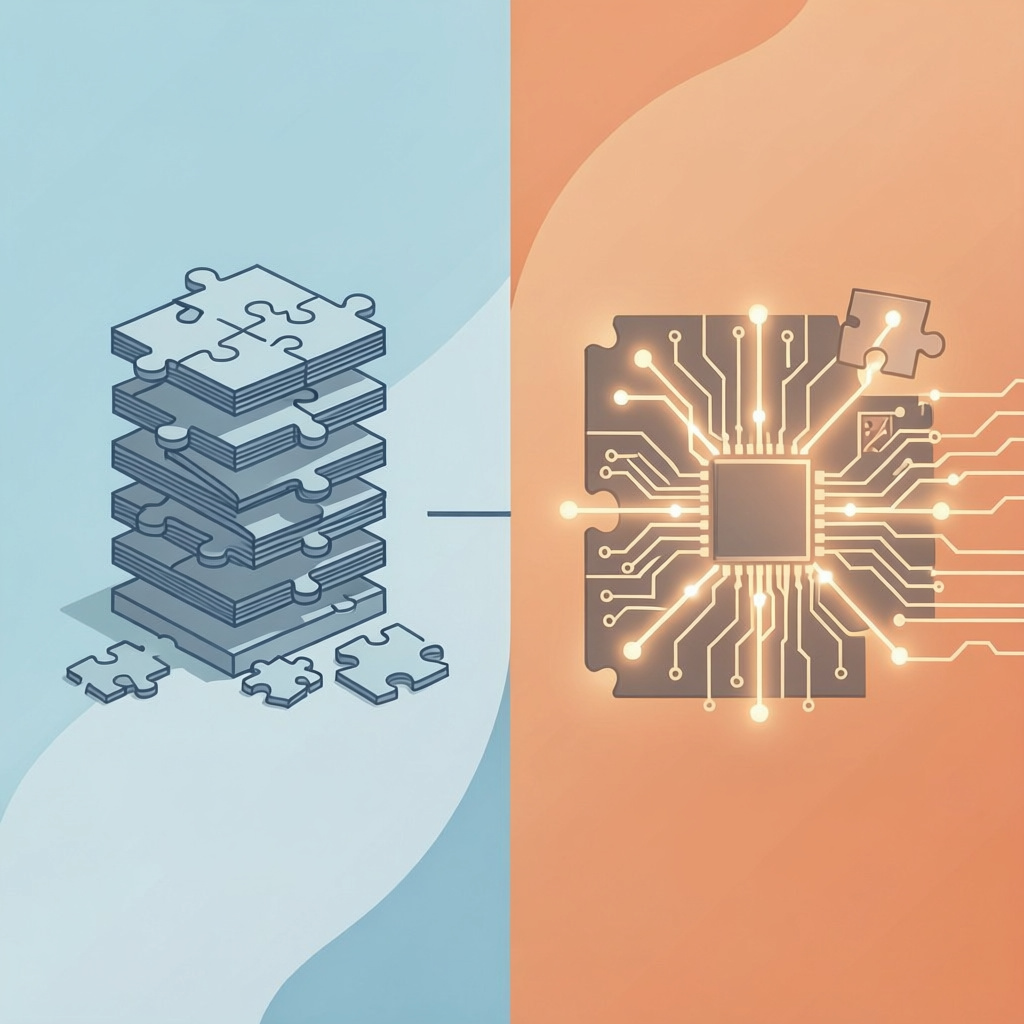
Cybersecurity can’t just live in the IT department anymore. Every team member has a role to play in keeping the business safe. When employees understand risks, follow good practices, and use the right tools, security becomes a shared responsibility. In other words, protecting the organisation is a team effort, not just an IT task, and it’s essential for keeping people, data, and operations secure.
The Unique Cybersecurity Challenges of Distributed Teams
When your team is spread across multiple desks, the rules of cybersecurity change. Devices that used to stay safely behind company firewalls are now connecting from home networks, personal laptops, or mobile devices, each one creating a potential doorway for attackers. What used to be a contained environment is now an “expanded attack surface,” making security much more complicated.
Another challenge is shadow IT. Employees sometimes use apps, file-sharing tools, or collaboration platforms without IT approval. While these tools can make work easier, they also introduce unseen risks, especially when sensitive data is involved.
Compliance is another sticking point. Regulations like GDPR or ISO 27001 require consistent handling of data, but distributed teams make it harder to maintain consistent practices. A misconfigured cloud folder or an unsecured video call can be enough to trigger a breach or violation.
Finally, human error remains the biggest risk. Phishing emails, weak passwords, or accidental sharing of sensitive documents are far more likely when employees work remotely. Without regular training and awareness, even a single mistake can have serious consequences.
Distributed teams create new layers of risk that IT alone cannot manage. Every employee’s actions, the tools they use, and the environments they work in all contribute to security. Understanding these challenges is the first step toward keeping the organisation safe in a hybrid world.
“As remote and hybrid work models stretch cybersecurity defences thin—exposing vulnerabilities from insecure devices and Human error alike—a growing army of cyber threats underscores the urgent need for smarter security strategies beyond passwords and VPNs.” – Zipdo
Building a Security-First Culture
In a distributed environment, creating a culture where everyone takes cybersecurity seriously is critical. That means security isn’t just a set of rules handed down from IT, it’s part of everyday work.
Awareness and training are the foundation. Teams should understand common risks like phishing, password hygiene, and safe handling of sensitive data. Small, regular reminders and interactive exercises help make learning practical rather than abstract.
Leadership plays a key role. When managers model secure behaviour and openly communicate why it matters, teams are more likely to follow. Security becomes part of the company’s shared values, not just a technical requirement.
It’s also about team accountability. Every employee should know their role in protecting the organisation, from properly storing files to using approved collaboration tools. Encouraging employees to report suspicious activity without fear of blame helps catch issues before they escalate.
Finally, make security part of the workflow, not a burden. Tools and processes should be user-friendly, and policies should support productivity rather than slow it down. When employees see security as enabling safe work rather than restricting them, it becomes a shared responsibility rather than a chore.
“60% of the professionals believe that remote onboarding is a security threat, showing loopholes in the early-stage setup. Organizations need to promote a security culture where remote employees know about shared responsibility for data protection.” – Medium
Technology Foundations for Distributed Teams
Even the most security-aware team can’t protect the organisation without the right technology in place. In a distributed environment, systems need to be designed to keep data safe while still letting people work efficiently.
One of the most important approaches is Zero Trust: meaning to never assuming a device or user is automatically safe. Every access request is verified. Employees connecting from home or on the move are checked just as carefully as someone logging in from the office.
Multi-factor authentication (MFA) is another simple but powerful tool. It adds an extra layer of protection beyond passwords, making it much harder for attackers to gain access even if credentials are compromised. Similarly, secure collaboration platforms and encrypted communication tools help ensure that sensitive information stays private, no matter where it’s shared.
Managing endpoints is also critical. Devices should be monitored, regularly updated, and protected with antivirus or endpoint protection tools. For organisations using cloud services, role-based access ensures that people only see the data they need for their role, reducing the risk of accidental exposure.
The goal is to make security seamless. Tools should support the way teams actually work rather than slow them down. When technology is reliable, easy to use, and aligned with security principles, employees are more likely to adopt it, and the organisation stays protected without creating frustration.
“Maintaining an inventory of IT assets was a top priority for 58% of security chiefs responsible for hybrid work models, and 39% of companies used user behaviour analytics to detect insider threats in real time.” – ElectroIQ
Policies, Governance, and Incident Response
Even with strong teams and solid technology, organisations still need clear policies and governance to manage cybersecurity effectively. Policies act as the playbook for how work gets done safely, while governance ensures everyone follows them consistently.
Start with clear, simple rules. Employees should know what is expected of them, from handling sensitive data to using approved devices and collaboration tools. Complicated policies that are hard to understand or follow often get ignored, so clarity is key.
Governance means defining who owns what. IT teams should monitor compliance, but accountability shouldn’t stop there. Managers and team leads should reinforce good practices daily. Regular audits, access reviews, and updates to policies ensure that rules stay relevant as the organisation and technology evolve.
Even the best precautions can’t prevent every issue, which is why incident response is critical. Teams need a plan for identifying, reporting, and addressing breaches quickly. This includes defining roles, communication paths, and escalation procedures, so that everyone knows what to do if something goes wrong. Running drills or tabletop exercises can help teams practice and reduce panic during a real incident.
Best Practices
Keeping distributed teams secure isn’t about a single tool, policy, or initiative. It’s about combining people, technology, and processes in a way that becomes part of everyday work.
Start with training and awareness. Make cybersecurity part of the team’s routine, not just an annual compliance session. Regular reminders, practical examples, and hands-on exercises help make risks tangible and behaviour stick.
Use technology that supports people. Multi-factor authentication, secure collaboration tools, endpoint protection, and Zero Trust principles work best when they are easy to use and integrated into employees’ workflows. When technology feels helpful rather than burdensome, adoption increases.
Define clear rules and governance. Simple, understandable policies paired with accountability at every level ensure consistent security practices across the organisation.
Prepare for the unexpected. A well-practiced incident response plan ensures that when something goes wrong, teams know exactly what to do. This reduces downtime, protects sensitive data, and keeps business operations running smoothly.
Finally, remember that security is a team effort. Every employee, from IT to marketing, plays a role in keeping the organisation safe. By building a culture of shared responsibility, you turn cybersecurity from a reactive challenge into a proactive strength.
“The 2025 statistics are clear: proactive defense, policy evolution, and employee education are no longer optional; they’re survival tools.” – SQMagazine
Conclusion
Strong cybersecurity in distributed teams is about people, processes, and technology working together. When awareness, tools, policies, and response plans all align, organisations can protect their data, maintain trust, and enable teams to work confidently, no matter where they are.