From Strategy to Execution: Why Middle Managers Are the Missing Link in Transformation
Most transformation programmes don’t fail at the top. Strategy is usually clear. Leadership teams define the direction, set priorities and...

Most transformation programmes don’t fail at the top. Strategy is usually clear. Leadership teams define the direction, set priorities and invest in technology or change initiatives.
They also don’t fail at the bottom. Junior teams adopt tools, follow processes and try to deliver what is asked of them.
Where things often break down is in the middle.
In 2026, middle managers have become the most under pressure and under-supported layer in organisations. They are also the most critical to getting transformation programmes from idea to reality.
Strategy is Clear, but Execution Is Slowing
Across the UK, organisations continue to invest in digital transformation, AI and operational improvement. The intent is not the problem.
Research from McKinsey & Company highlights that many organisations struggle not with defining transformation strategy, but with executing it effectively at scale.
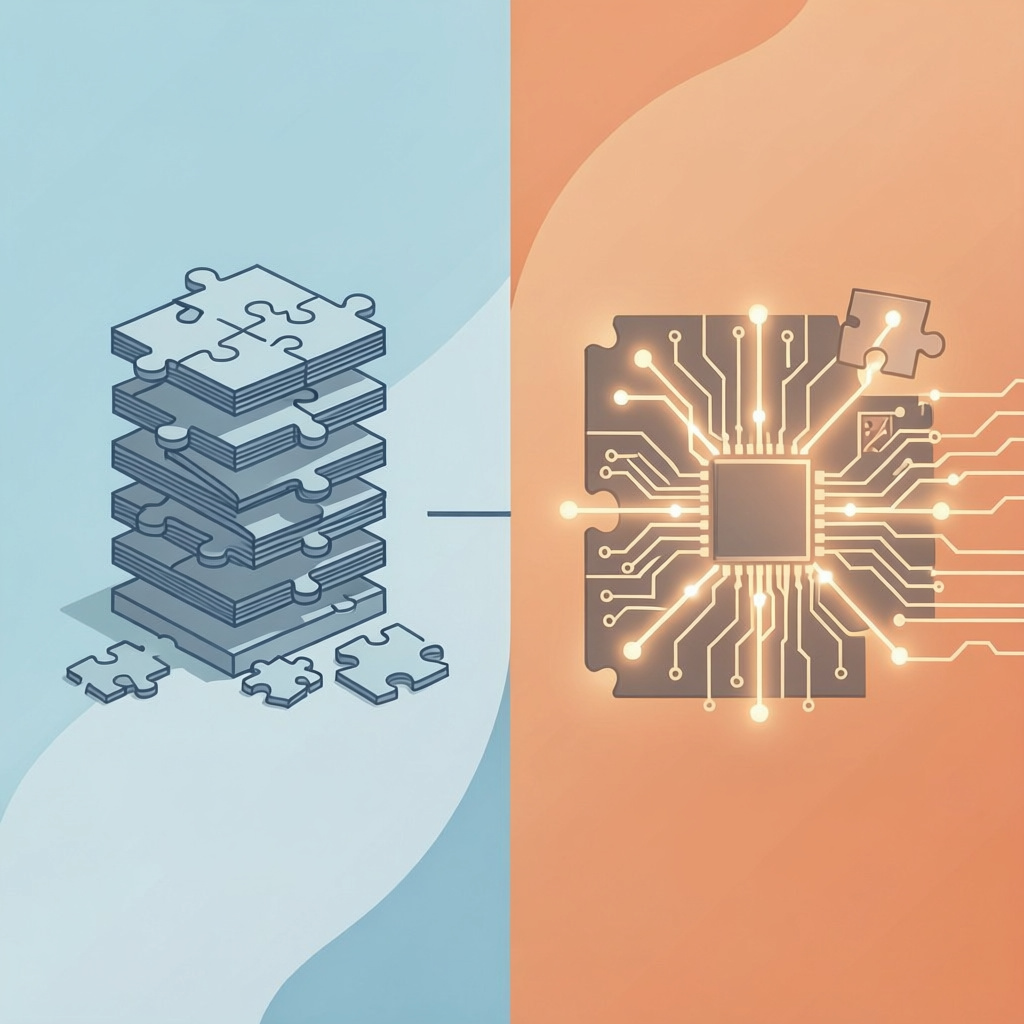
This gap between strategy and execution is where middle managers sit. They are responsible for translating high-level plans into day-to-day delivery, yet they are often not given the resources or support needed to do so effectively.
The Role of Middle Managers Has Changed
The expectations placed on middle managers today are very different from even a few years ago.
They are now expected to implement new technologies, manage leaner teams, maintain performance and support organisational change all at the same time.
The CIO Dive has highlighted that managers are increasingly responsible for driving transformation outcomes while balancing operational demands, leading to higher levels of pressure and complexity.
This means middle managers are no longer just supervisors. They are delivery leaders, change agents and translators between strategy and execution.
Leaner Teams Are Increasing the Pressure
One of the biggest challenges facing middle managers in 2026 is reduced capacity within teams.
As organisations focus on efficiency and cost control, many teams are operating with fewer people. At the same time, the scope of work has increased, particularly in technology and transformation functions.
This puts middle managers in a difficult position. They are expected to deliver more with fewer resources, while also managing the impact of change on their teams.
Why Transformation Stalls in the Middle
When transformation programmes stall, it is often because middle managers are overwhelmed or under-equipped.
They may not have enough clarity on priorities. They may lack the authority to make decisions. They may not have the right mix of skills within their teams.
In some cases, they are also dealing with resistance from employees who are adapting to new systems or ways of working.
Without the right support, middle managers can become a bottleneck rather than a bridge between strategy and execution.
The Hiring and Resourcing Gap
This issue is often overlooked. Organisations invest heavily in senior leadership and specialist roles, but less attention is given to the capability of middle management.
This creates a gap. You may have strong strategy at the top and capable delivery teams at the bottom, but without effective middle managers, the connection between the two weakens.
The Chartered Institute of Personnel and Development highlights the importance of management capability in driving organisational performance and supporting change initiatives.
Investing in middle management is not optional. It is essential for transformation success.
What Organisations Need to Do Differently
To close the gap between strategy and execution, organisations need to rethink how they support and resource middle managers.
This starts with hiring. Middle management roles should be treated as critical delivery positions, not just operational ones. Candidates need a mix of technical understanding, leadership capability and change management skills.
It also requires investment in development. Training, coaching and clear communication help managers navigate the complexity of modern transformation programmes.
Finally, organisations need to ensure that middle managers have the authority and resources to make decisions. Without this, even the most capable individuals will struggle to deliver outcomes.
The Missing Link in Transformation
In 2026, the success of transformation programmes depends less on strategy alone and more on execution capability.
Middle managers sit at the centre of this challenge. They translate vision into action, align teams with organisational goals and ensure that change actually happens on the ground.
Recognising the importance of this layer is key. Organisations that invest in strong, well-supported middle management are far more likely to turn strategy into real, measurable outcomes.
Without them, even the best plans risk stalling before they deliver value.