The Future of IT Support: Critical Roles and Skills for 2026
The world of IT support continues to evolve at pace as organisations embrace hybrid work, cloud adoption, artificial intelligence and...

The world of IT support continues to evolve at pace as organisations embrace hybrid work, cloud adoption, artificial intelligence and digital service models.
As technology footprints expand, the roles that keep these systems running smoothly, and the people who fill them, are no longer limited to basic helpdesk functions. In 2026, IT support is a strategic enabler of business continuity, user experience and organisational resilience.
For hiring and resourcing teams, understanding which support roles matter most helps organisations attract, develop and retain the talent needed to keep systems secure, reliable and aligned with strategic goals.
From Helpdesk to Digital Support Engineer
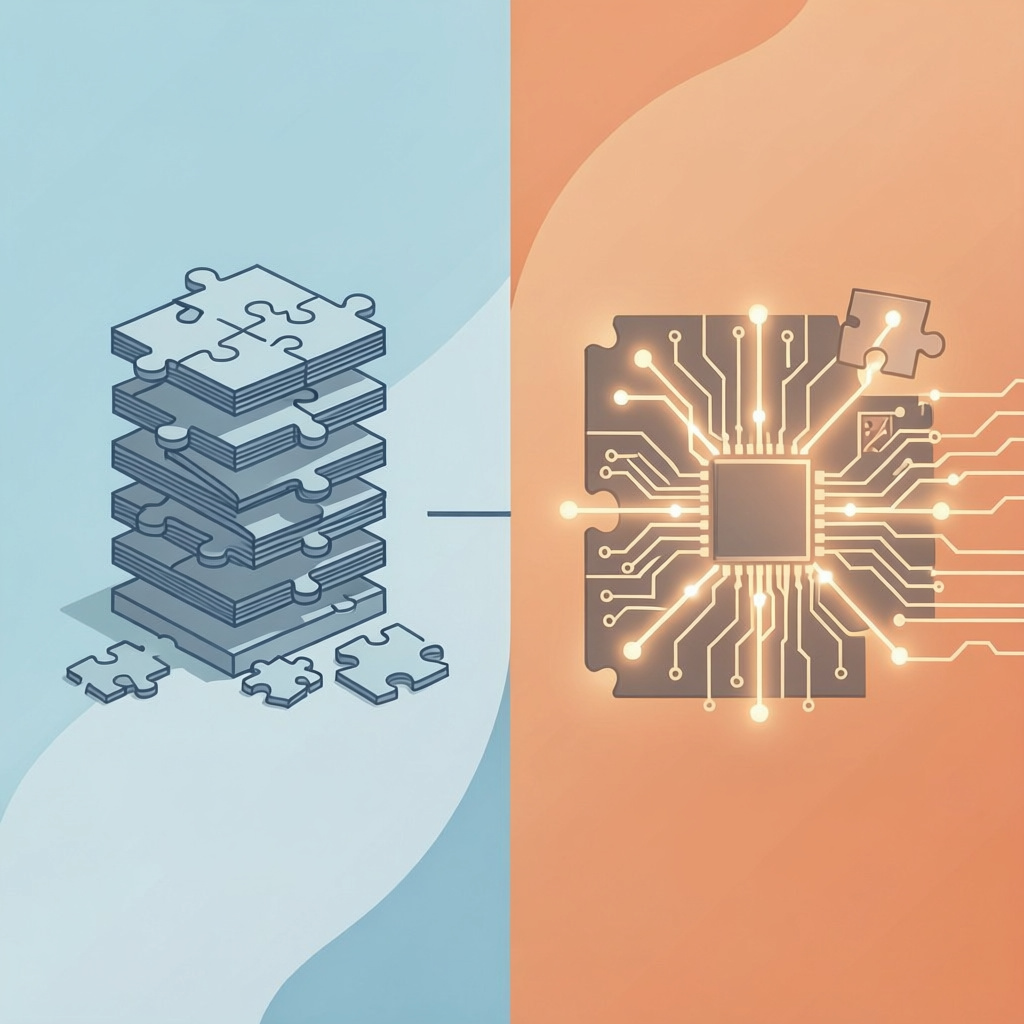
Traditionally, IT support was associated with helpdesk technicians answering user queries and resetting passwords. Today, that role has grown into what many organisations now call a Digital Support Engineer. These professionals still provide frontline support, but they are also expected to navigate cloud platforms, collaboration tools and remote-first systems with confidence.
Industry trends show that employers are seeking candidates who not only troubleshoot issues but can also automate common tasks and streamline user interactions using digital service platforms. This shift reflects how IT support now intersects with automation and service delivery optimisation.
Cloud and Infrastructure Support Specialists
As more organisations shift workloads to cloud services and hybrid infrastructure, specialists who understand cloud ecosystems are in high demand. Cloud and Infrastructure Support Specialists play a crucial role in ensuring uptime, managing service performance and coordinating incident responses across distributed systems.
Hiring managers now prioritise candidates with experience in major cloud platforms such as AWS, Microsoft Azure and Google Cloud, because these environments require distinct support strategies compared to traditional on-premise networks. Technical certifications and demonstrable experience with cloud environments have become hiring differentiators in this space.
“Organizations also outsource help desk more extensively than other IT functions. The average organization outsources 55% of their help desk and desktop support team – claiming the #1 spot by usage level in the Computer Economics report.” – Auxis
Cybersecurity Support Analysts
Cyber threats remain a top risk for businesses of all sizes, and IT support teams play a frontline role in defending against them. Cybersecurity Support Analysts combine traditional support duties with threat monitoring, user education and incident triage. These roles go beyond installing antivirus software and handling password resets; they involve interpreting alerts, collaborating with security response teams and educating end users about phishing, remote access risks and secure behaviours.
“Cybersecurity continues to dominate hiring plans across every industry. But the focus in 2026 is shifting from generalists to specialists who can manage modern, hybrid security environments.” – Litcom
As cyber risk becomes more pervasive, the need for support professionals with cybersecurity awareness continues to rise, reflected in job postings and labour market trends.
Service Desk Coordinators with Analytics Skills
Modern service desks generate a wealth of data: ticket volumes, resolution times, user satisfaction scores and more. Organisations are increasingly looking for Service Desk Coordinators who can go beyond routing tickets to analysing this data and identifying systemic issues.
Analytical skills allow these professionals to detect patterns, highlight training needs and suggest improvements to both technology and processes. Hiring teams have repeatedly emphasised the value of candidates who can turn support metrics into actionable insights that improve service quality and reduce operational friction. This trend mirrors broader movements toward data-driven IT operations and workplace analytics.
Customer Success and IT Support Liaisons
Modern organisations recognise that IT support is not just about fixing tickets; it’s about ensuring users successfully adopt and benefit from technology. This is where Customer Success and IT Support Liaisons come in.
These professionals work at the intersection of technical support, user experience and business outcomes, helping departments navigate technology changes, understand new tools, and align IT solutions with operational goals. Hiring managers are increasingly investing in these liaison roles, particularly in sectors where digital transformation initiatives are high and technology adoption is critical for business performance.
“As industries adapt to changing customer expectations and regulatory requirements, the IT support services market is positioned as a vital enabler of digital resilience and growth, helping organizations navigate the challenges of an increasingly connected world.” – LinkedIn Pulse
What This Means for Hiring and Resourcing
For hiring teams, 2026 demands a rethinking of what “IT support” means. The roles that matter most combine technical proficiency with communication skills, data literacy and strategic understanding of technology’s impact on users and business outcomes. Traditional helpdesk experience remains important, but it must be complemented with cloud knowledge, security awareness and analytical capability.
Resourcing strategies need to reflect this evolution by defining clear career paths, setting expectations for cross-functional collaboration and valuing continuous learning. Organisations that invest in developing and attracting talent with these capabilities are more likely to ensure reliable IT operations, deliver seamless user experiences and support broader strategic initiatives such as digital transformation and secure hybrid work.
In a competitive talent market, hiring teams should emphasise these skills in job descriptions, interview criteria and employer branding to attract candidates who see IT support as a meaningful and impactful career path, not just a reactive service function.